The Lechmere Viaduct, a historic 110-year-old concrete arch bridge, stands as a testament to Boston’s rich transportation history. Spanning the Charles River, this structure has recently undergone significant rehabilitation work, incorporating advanced precast concrete techniques to not only preserve its aesthetic integrity but also enhance its structural capacity.
This project exemplifies how modern engineering practices bring new life into historic infrastructure.
Originally constructed in 1910 by the Boston Elevated Railway Company, the Lechmere Viaduct has been a crucial link for commuters traveling from East Cambridge into downtown Boston. After years of service, the bridge required extensive upgrades to handle the increasing demands of modern transit.
Fort Miller Precast worked with project contractor SPS New England, Inc. on this key rehabilitation for MBTA.
Key Features of the Project
The Lechmere Viaduct Rehabilitation Project, which commenced in December 2019 and reached substantial completion in March 2022 with a budget of $87.4 million, involved the following key tasks:
- Reconstruction of Track, Signals, and Traction Power: Ensuring safe and efficient operation for increased train frequency.
- Replacement of Deteriorated Concrete Walkways: Enhancing safety for pedestrians.
- Strengthening Concrete Components: Upgrading the viaduct to accommodate heavier loads, thanks to innovative methods such as Carbon Fiber Reinforcement Polymers (CFRP).

A Special Feature: Precast Architectural Baluster Rail Panels
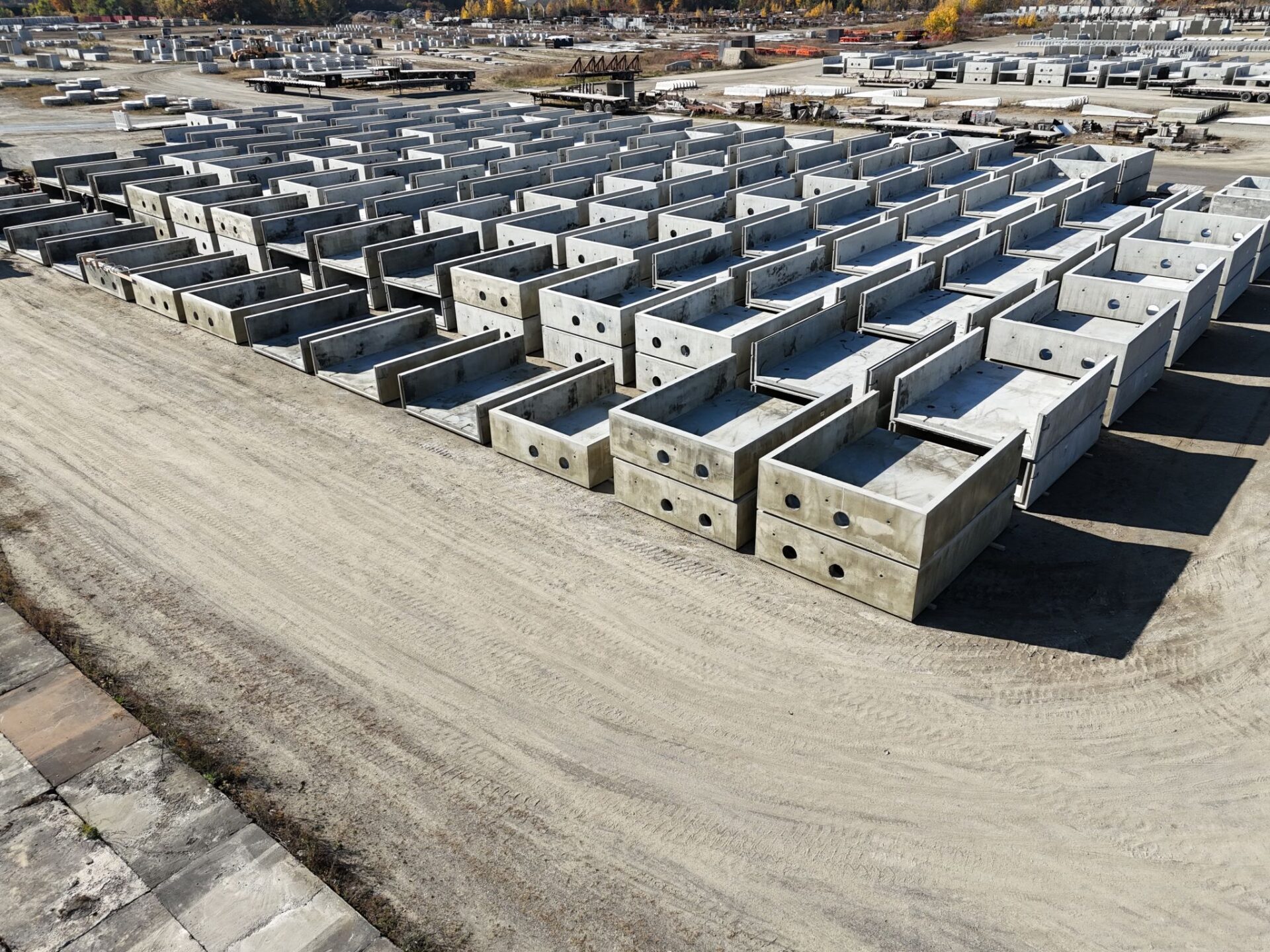
One of the standout features of the Lechmere Viaduct rehabilitation project was the fabrication and installation of precast architectural baluster rail panels. These panels, which lined both sides of the bridge, were not only crucial for safety but also for maintaining the bridge’s historical appearance. Each panel was carefully crafted to a height of 3 feet 3 inches and tailored in varying lengths to match the existing geometry of the bridge.
These baluster rail panels also included special architectural windows cast into each unit, enhancing the bridge’s visual appeal. Colored concrete further enhanced the overall look of the bridge.
Accelerated Construction Through Architectural Precast Concrete
Fort Miller Precast played a pivotal role in fabricating critical precast concrete elements, including:
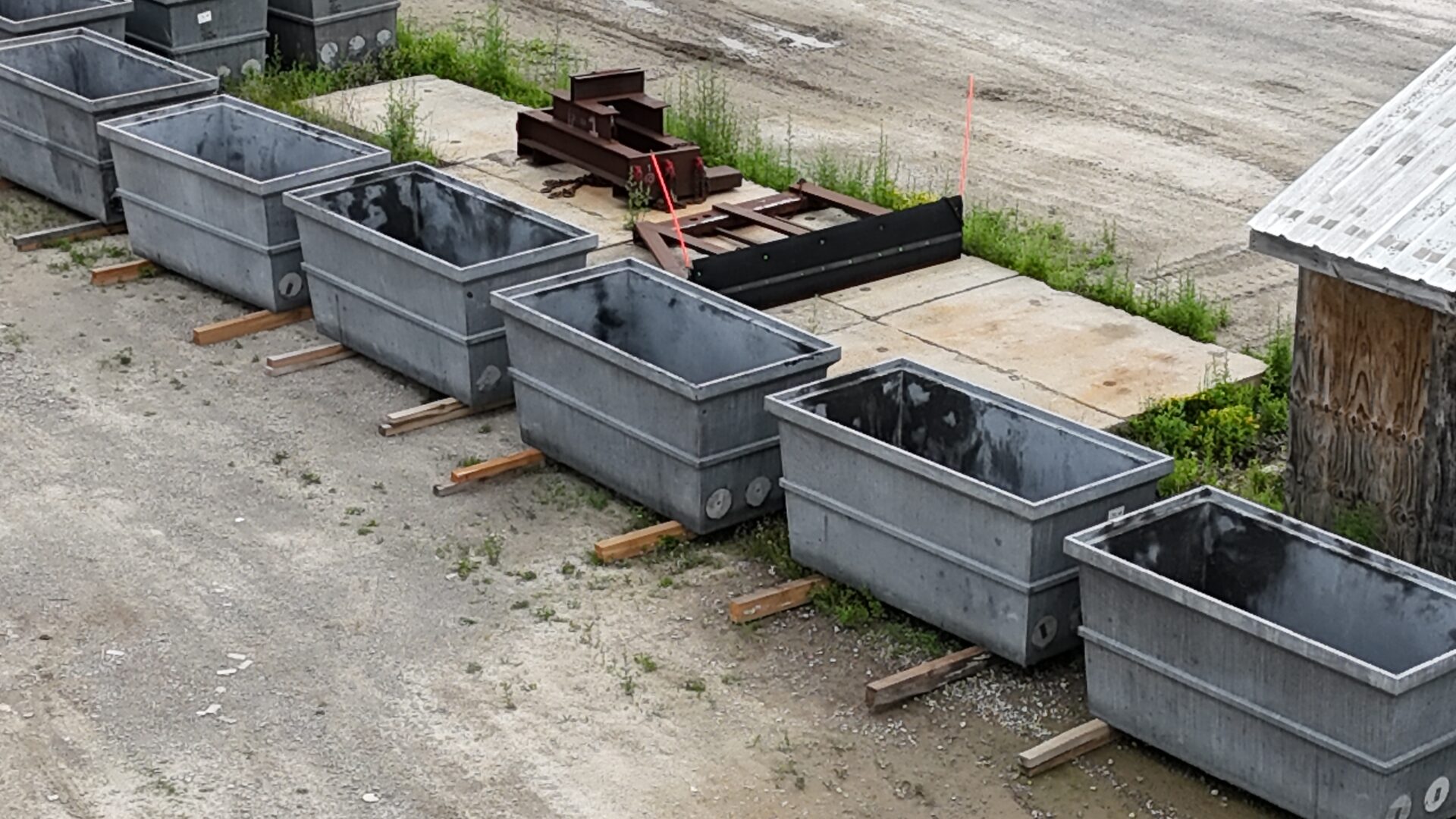
- 8,000 square feet of precast concrete floor beams
- 13,000 square feet of precast deck panels
- 3,000 linear feet of architectural baluster rail panels, complete with associated caps
These components were designed and installed with precision, ensuring both the structural integrity of the bridge and the preservation of its historical aesthetic.

This approach also allowed for accelerated construction timelines and enhanced safety conditions on-site:
- Quality Control: Precast elements are manufactured in controlled environments, leading to better quality and reduced weather-related delays.
- Efficiency: By utilizing precast components, large installations can occur over weekends, minimizing disruption to local traffic.
- Safety: Prefabrication reduces on-site hazards, providing safer working conditions for construction crews.
The Lechmere Viaduct is not just a transportation asset. It is listed in the National Register of Historic Places as part of the Charles River Basin Historic District. This status underscores the importance of preserving the bridge’s historic character while upgrading its capabilities.