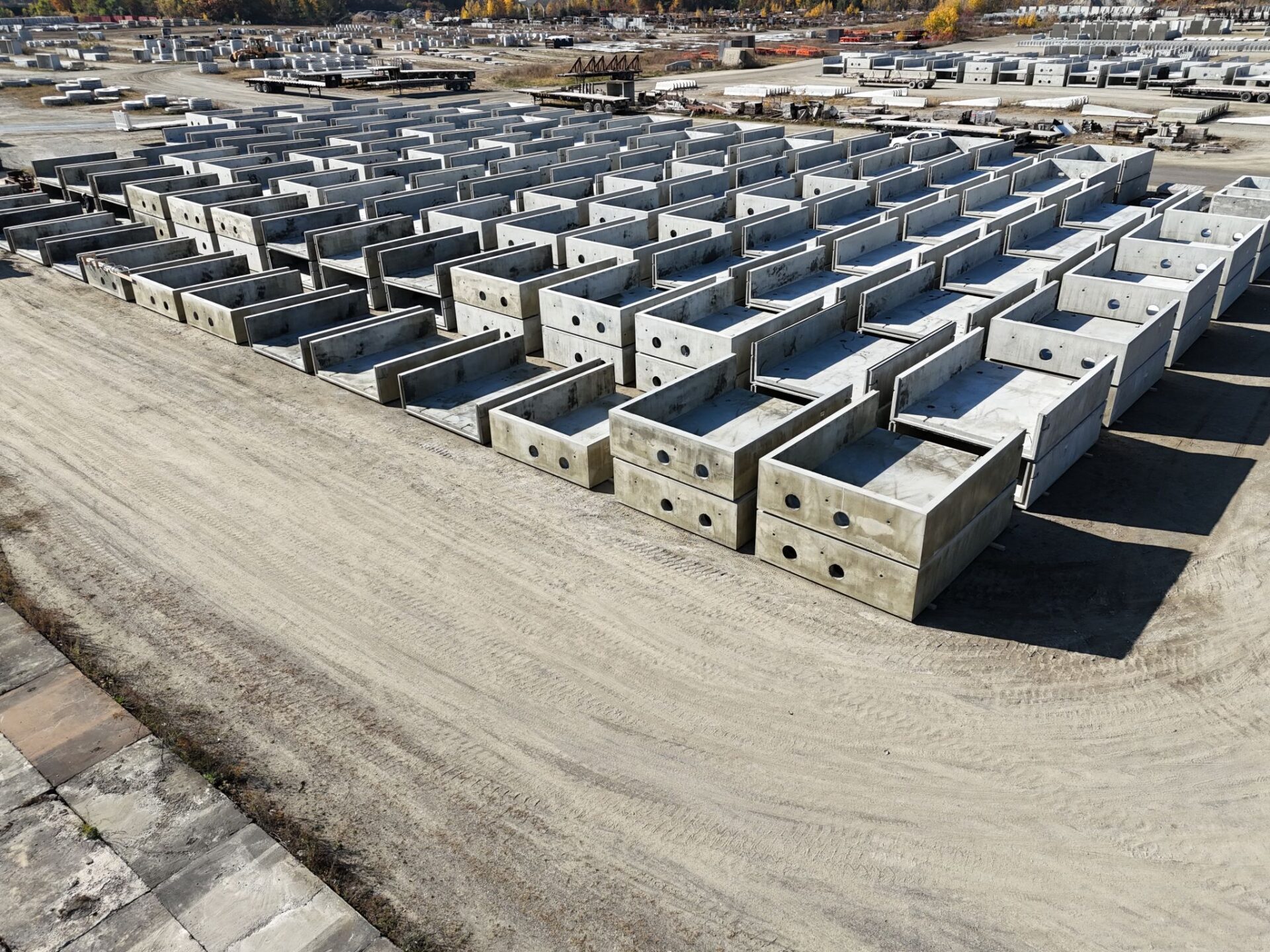

Precast Concrete Bridge Units (PBUs) have revolutionized bridge construction. They offer a multitude of benefits that address the challenges of traditional methods. By fabricating bridge components in controlled environments and assembling them on-site, PBUs improve efficiency, quality, and safety in bridge projects.
7 Reasons Precast Concrete Bridge Units Are the Future of Construction

1. Faster Construction Timeline
One of the most significant advantages of Precast Concrete Bridge Units is the reduction in construction time. Traditional bridge construction often requires weeks or months of on-site work, leading to extended traffic disruptions and increased project durations. In contrast, for rapid assembly, PBUs are fabricated off-site and transported to the construction location.
This approach allows for installations to occur overnight or during a single weekend, minimizing inconvenience to the public and expediting project completion.
Wondering how PBUs can reduce construction time?
- Prefabrication allows for rapid installation – Since PBUs are produced off-site and transported to the construction site, bridge components can be assembled in hours or days instead of months.
- Traffic impacts are minimized – Many PBUs are installed overnight or during off-peak hours, reducing congestion and improving commuter experiences. The worksite can often be cleared for traffic between installations.
- Projects are completed on schedule – With components ready to go before on-site work begins, PBUs eliminate many of the typical delays associated with traditional bridge construction.
2. Enhanced Quality in a Controlled Environment
Unlike traditional cast-in-place bridge components, PBUs are produced in a controlled setting, where temperature, humidity, and curing conditions can be tightly regulated. This reduces the likelihood of defects and enhances the durability and longevity of the bridge structures.
- Consistent, high-quality concrete – Plant setting ensures precise mixing, curing, and finishing, leading to durable and uniform components.
- Eliminates site-specific inconsistencies – On-site casting is prone to human error, material inconsistencies, and environmental fluctuations, all of which are mitigated in precast manufacturing.
- Greater durability and longevity – The controlled curing process enhances the compressive strength of the concrete, making bridges more resistant to environmental wear and tear.
3. Reduced On-Site Labor Needs
Since PBUs are manufactured in a dedicated facility, the amount of labor required on-site is dramatically decreased, leading to:
- Lower labor costs – With most construction work completed before installation, fewer workers are needed for on-site assembly, reducing payroll expenses.
- Increased efficiency – Less labor-intensive on-site construction means fewer disruptions, faster project completion, and better overall resource allocation.
- Improved safety for workers – A smaller crew at the job site diminishes the potential for accidents and enhances overall site safety.

4. Cost Savings Through Standardization
Precast concrete bridge components allow for standardized production, leading to significant cost reductions in multiple areas:
- Reusability of molds – Formwork used in precast facilities can be reused multiple times, reducing material costs compared to site-built forms that are often discarded after a single use.
- Efficient bulk production – PBUs are mass-produced with minimal waste, cutting down on raw material costs and making projects more sustainable.
- Lower construction supervision costs – Because on-site work is reduced, costs related to project oversight, inspections, and temporary structures (such as scaffolding) are also minimized.
By optimizing the production process, precast bridge components deliver high-quality results at a lower overall cost.
5. Adaptability to Various Site Conditions
PBUs are not one-size-fits-all—they are highly customizable to meet the unique demands of different bridge types, project requirements, and site constraints.
- Flexible design options – PBUs can be manufactured in different spans, skews, and load capacities, making them adaptable for new bridge construction, expansions, and rehabilitation.
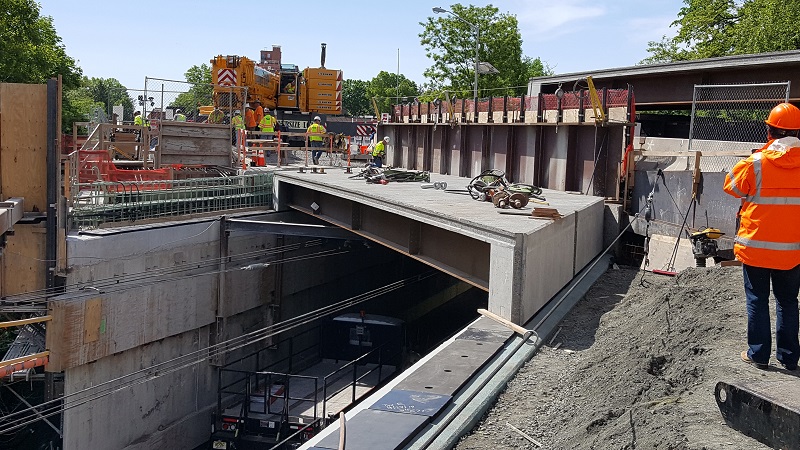
- Ideal for accelerated bridge construction (ABC) projects – Prefabrication allows PBUs to be installed in constrained environments, such as urban highways or busy interchanges, without extensive road closures.
- Seamless integration with existing infrastructure – PBUs can be designed to fit into historical or uniquely structured bridges, allowing for modernization while preserving architectural integrity.
This adaptability makes PBUs a versatile and scalable solution for infrastructure development.
6. Minimized Weather-Related Delays
Weather conditions often pose significant challenges to on-site construction, causing delays and affecting the quality of work. Since PBUs are manufactured indoors, they are protected from environmental disruptions, ensuring that production continues on schedule.
- Precasting eliminates delays from rain, snow, or extreme temperatures – Unlike traditional on-site concrete pours, which require favorable weather conditions, PBUs can be manufactured year-round.
- Project timelines remain predictable – Contractors can plan installations more effectively, avoiding costly setbacks caused by seasonal weather fluctuations.
- No need for extensive weatherproofing – Traditional construction requires temporary shelters, heaters, or dehumidifiers to maintain concrete curing conditions, whereas PBUs are cured under optimal conditions before arriving on-site.
By removing weather variability from the equation, PBUs help ensure consistent project delivery.
7. Improved Worker Safety
By shifting the majority of the bridge construction process to indoor manufacturing facilities, precast concrete bridge units significantly reduce worker risk.
- Less exposure to traffic hazards – Workers spend less time on-site near live traffic, lowering the risk of vehicle-related accidents.
- Elimination of high-risk tasks – Many dangerous on-site activities, such as formwork setup, working at heights, and extensive material handling, are avoided.
- Safer working conditions – The controlled environment of precast facilities reduces exposure to harsh weather, falling debris, and heavy lifting injuries.
Safety is a top priority in modern bridge construction, and PBUs are helping enhance workplace safety standards.
Case Study: Chelsea Viaduct Project
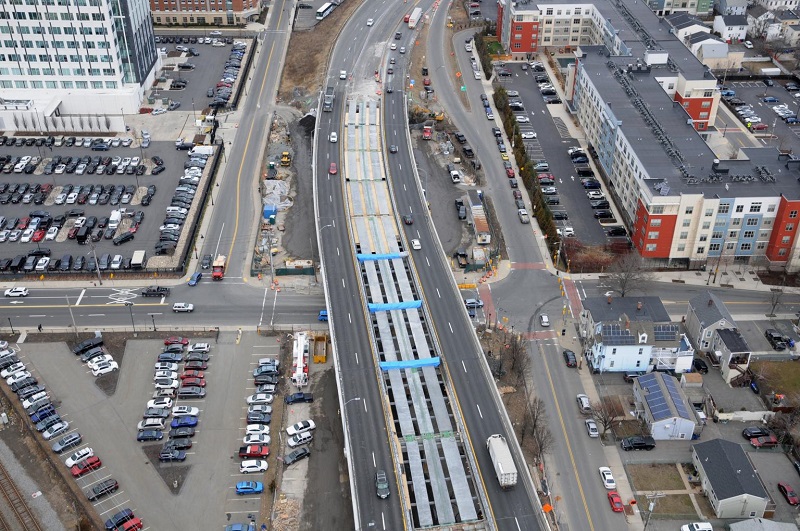
A prime example of PBUs in action is the Chelsea Viaduct project in Massachusetts:
Project Overview:
- Fort Miller Precast supplied 313 PBUs
- Unit lengths ranged from 20 to 85 feet
- Installed overnight and during off-peak hours
- Project completed within a year
By using PBUs, the project team minimized traffic disruption, improved worker safety, and reduced environmental impact by lowering vehicle emissions associated with traffic congestion. Read more >>>
The Future of Precast Concrete Bridge Units
As infrastructure demands grow, PBUs are emerging as the go-to solution for efficient, cost-effective, and safe bridge construction. Their speed, durability, and adaptability make them an ideal choice for modern transportation projects.
By leveraging precast concrete bridge units, engineers and architects can build stronger, safer, and longer-lasting bridges for the future.