
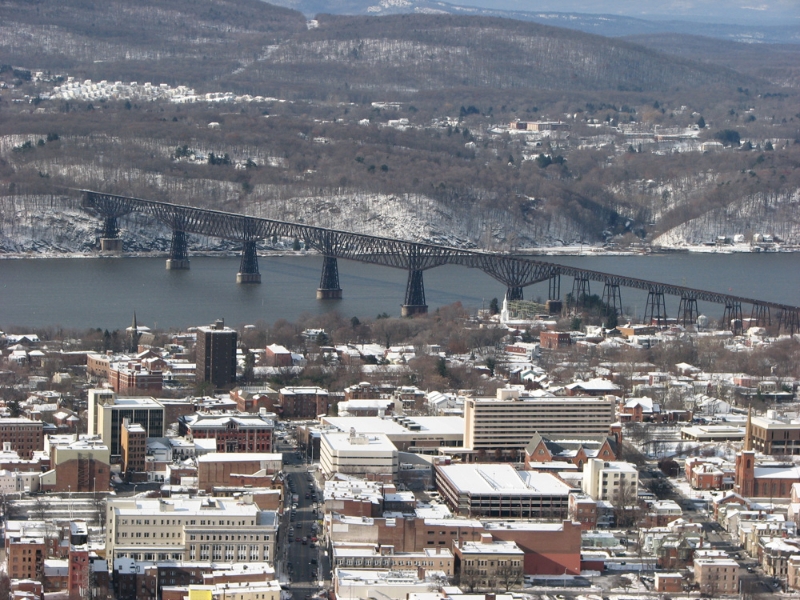

Fort Miller’s precast concrete bridge deck system was key to revitalizing the historic Poughkeepsie–Highland Railroad Bridge, enabling a fast, safe transformation into the iconic Walkway Over the Hudson.
Walkway Over the Hudson Precast Concrete Bridge Deck Replacement
Project Stakeholders
- Owner: Walkway Over the Hudson
- Contractor: Harrison & Burrowes Bridge Constructors, Inc.
- Engineer: Bergmann Associates
- Project Completion: 2009
- Scope: 973 Deck Panels
Project Overview
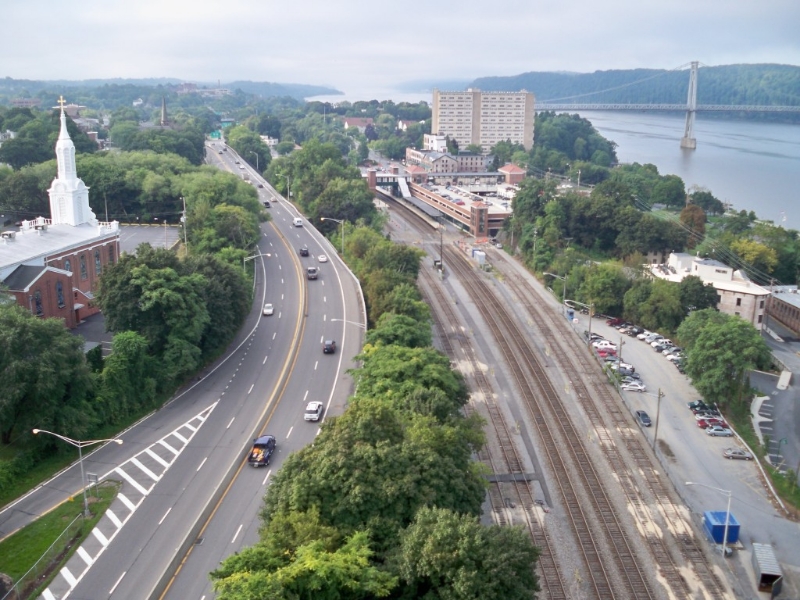
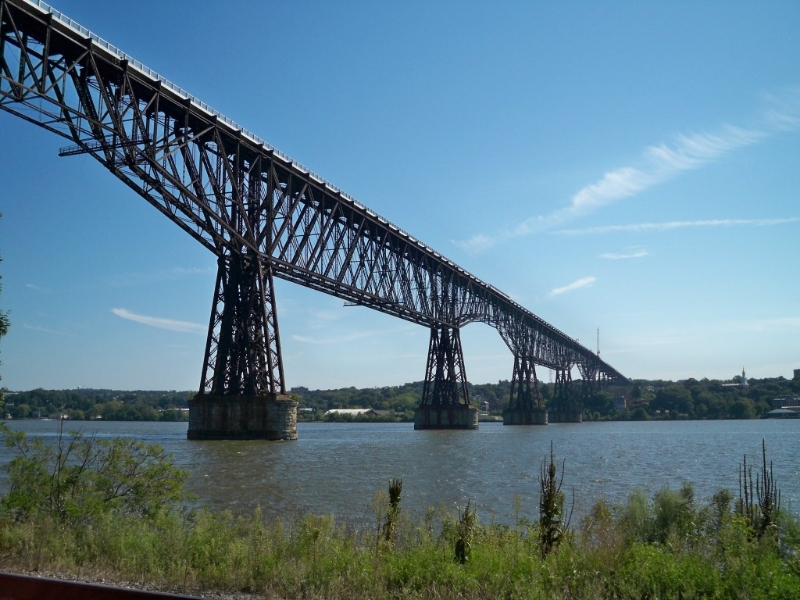
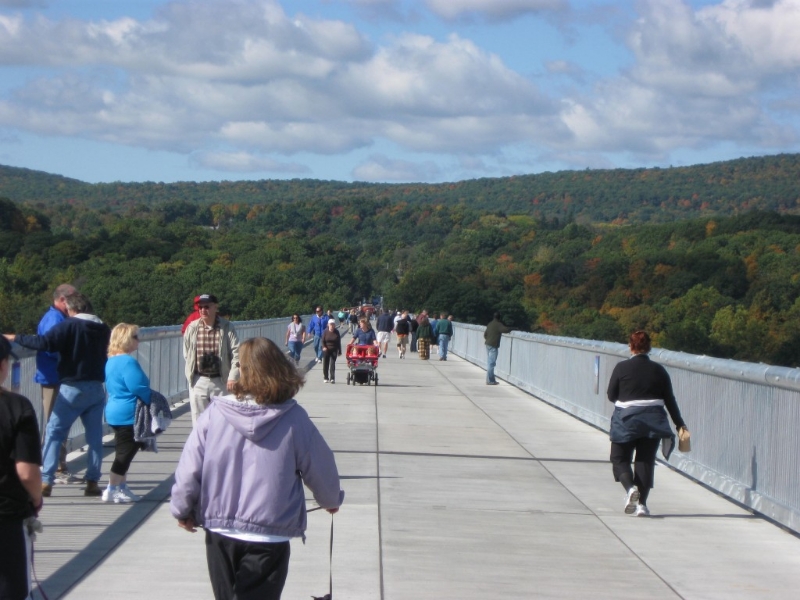
Spanning 1.28 miles, this underutilized railroad bridge above the Hudson River was transformed into an elevated pedestrian walkway, thanks in large part to the innovation and precision of Fort Miller’s precast concrete bridge deck system.
Once a fire-damaged relic from the 19th century, the Poughkeepsie–Highland Railroad Bridge is now a celebrated engineering landmark that connects communities, stimulates tourism, and showcases the power of adaptive reuse infrastructure.
Originally built in 1888, the structure had sat dormant since a fire in 1974 rendered it inoperable. After decades of inactivity, a nonprofit effort spearheaded a bold vision: to convert the former industrial relic into a scenic pedestrian park. At 212 feet above the water, it would become the longest elevated pedestrian bridge in the world.
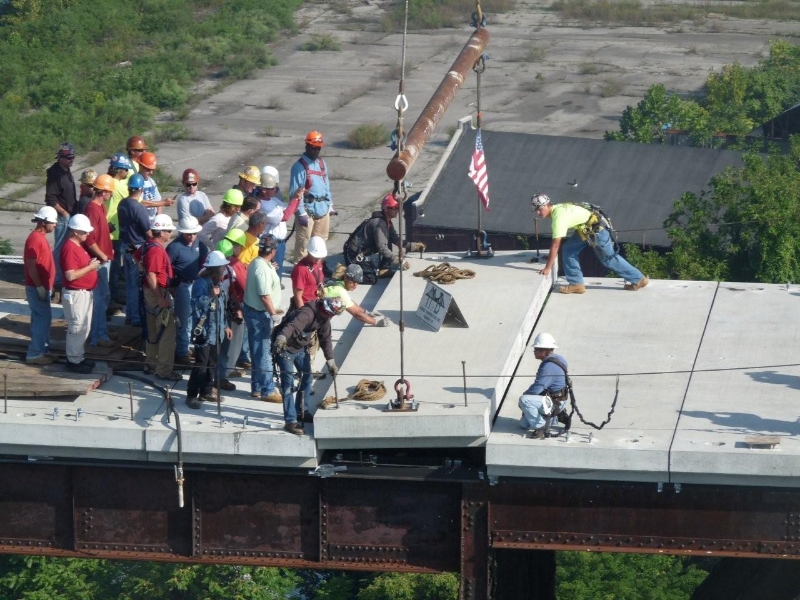
Construction began in earnest in early 2008. By September of that year, Fort Miller’s panels were being installed even as steel repair work continued. The final panel was set on September 4, 2009, four weeks before the grand opening. The successful completion of this project within an 18-month construction window was a testament to the value of close coordination, overlapping work phases, and the use of precast concrete to accelerate progress.
Scope and Details
Fort Miller’s precast concrete bridge deck system was the linchpin of this high-profile rehabilitation project, an opportunity to showcase the technical, aesthetic, and logistical benefits of precast concrete for bridge rehabilitation.
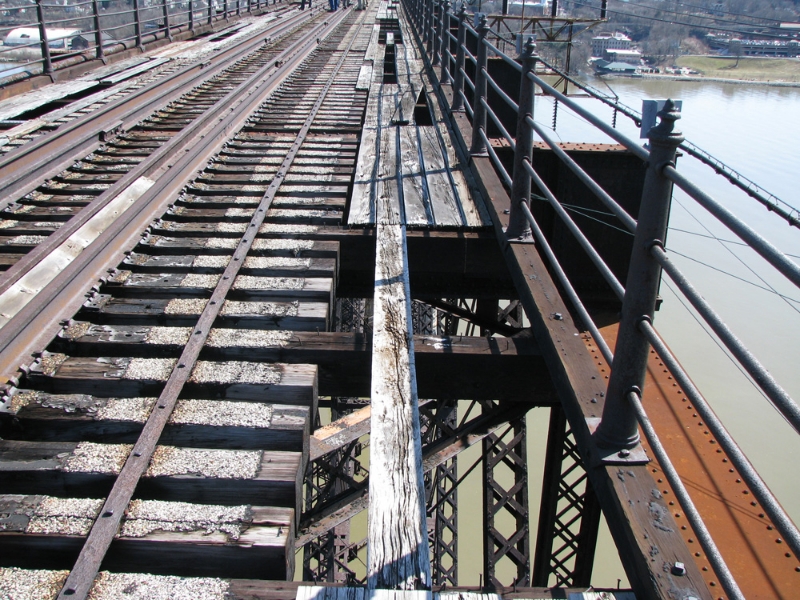
These panels replaced the old railway ties with a solid, continuous walking surface while seamlessly integrating with the bridge’s historic steel truss superstructure.
By fabricating the deck panels off-site, we enabled critical path construction to begin long before on-site conditions were ready. As steel repairs progressed, panels were being cast, cured, and stockpiled in parallel. This just-in-time delivery model ensured that once installation began, work could proceed swiftly and efficiently.
Every panel was cast under controlled plant conditions using high-strength concrete and precise forms. The quality control advantages of the precast method resulted in superior durability, dimensional accuracy, and surface finish. Moreover, panels were engineered to provide the strength and stiffness needed for long-term performance without overburdening the 19th-century trusses.
Our team engineered, manufactured, and delivered all 973 precast concrete panels, each weighing between 24,000 and 36,000 pounds.
Fort Miller’s early involvement allowed us to influence key design decisions that streamlined fabrication and installation. Working hand-in-hand with Bergmann Associates and Harrison & Burrowes, we customized panel dimensions to suit span lengths, adjusted connection details to accommodate field conditions, and proposed innovations like top-access connectors to eliminate the need for underside work.
The use of high-performance concrete in targeted areas ensured longevity and low maintenance, which was crucial for a bridge that would see heavy foot traffic and occasional vehicle access for maintenance.
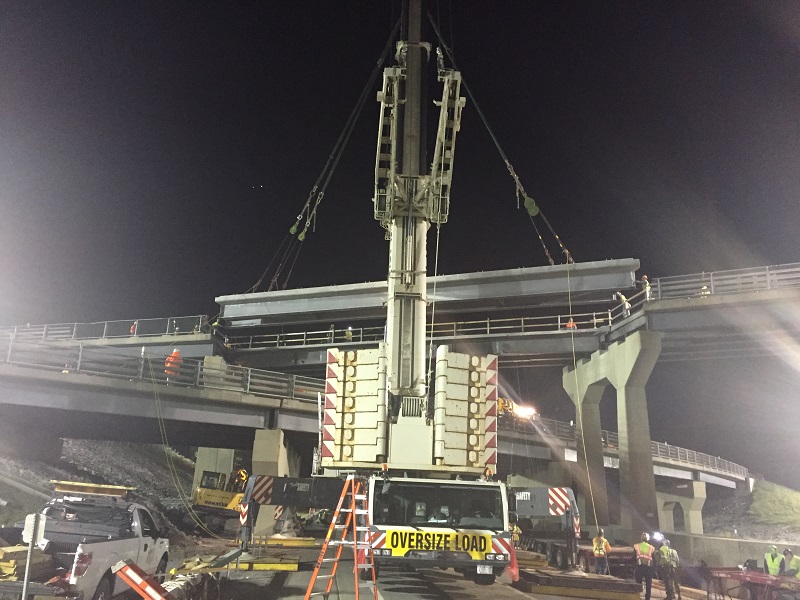
This collaboration extended to the job site, where Fort Miller provided on-the-ground support during installation. We worked closely with the contractor to ensure proper fit-up, grouting, and alignment. This helped maintain quality standards and allowed for immediate adjustments in the field, ensuring that no time was lost during the aggressive construction schedule.
Impact and Innovation
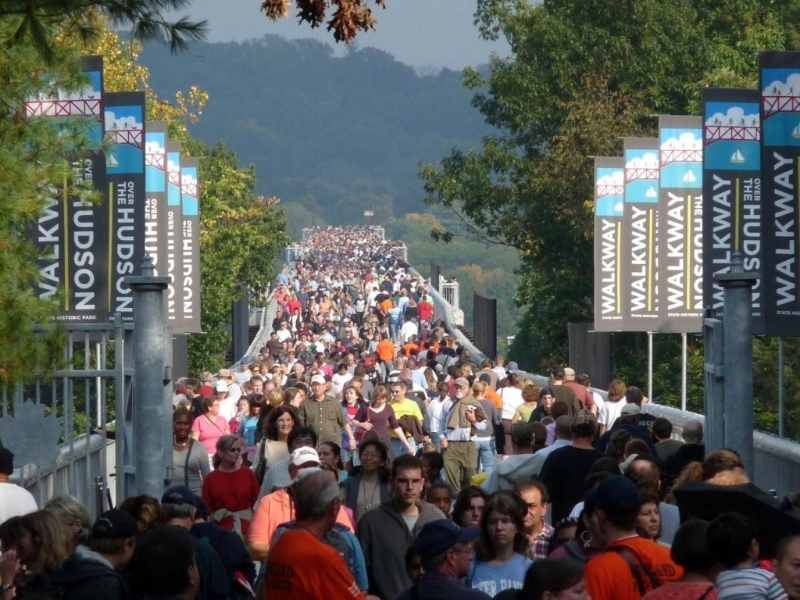
Since its opening in 2009, the Walkway Over the Hudson has become one of the most visited attractions in the Hudson Valley and has received widespread acclaim, including designation as a National Historic Civil Engineering Landmark.
It is celebrated not only for its scenic value and economic impact, but also as a model of how modern construction methods can breathe new life into aging infrastructure.
More than a decade after its opening, the precast concrete deck remains in excellent condition. The solid panels have required minimal maintenance, validating the long-term performance of Fort Miller’s design and manufacturing methods.
The project’s success has brought lasting value to the community, connecting regional trail systems, spurring tourism, and serving as an icon of preservation through innovation. Fort Miller is proud to have played a central role in delivering this landmark structure.
Featured Bridge Projects
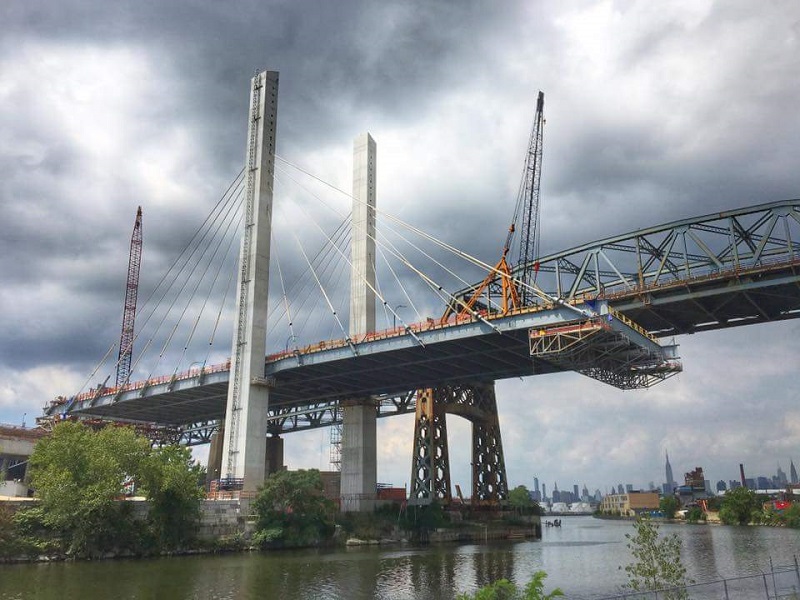
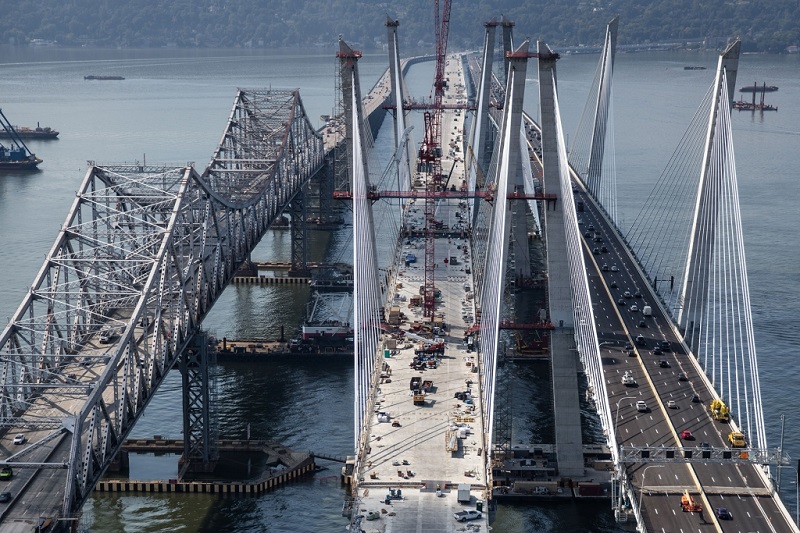
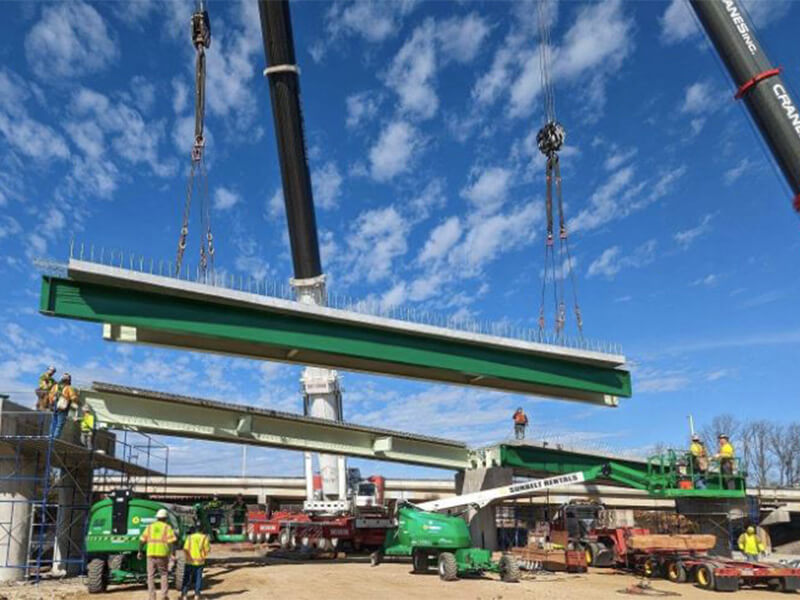
We have participated in some of the most celebrated bridge projects in recent memory, including the Alexander Hamilton Bridge/Highbridge Interchange, the Kosciuszko Bridge over Newtown Creek in Brooklyn-Queens, New York City, and the replacement of the Tappan Zee Bridge over the lower Hudson River.