Boiceville Bridge Project Details & Overview
Location: Olive, Ulster County, New York
Owner: New York City Department of Environmental Protection (NYCDEP)
Contractor: Allbar Steel, Inc
Completion: 2025
Fort Miller Products: Precast Bullnoses and Pier Legs
Set among the scenic waterways of the Catskill Mountains, the Boiceville Bridge provides a vital connection for travelers and residents along Route 28A. Yet travel through this mountainous forested region has not always been as smooth as it is today.
The original Boiceveille Bridge was put into service in 1913, and became known locally as the ‘Five Arches Bridge.’ When the time came to replace the aging structure, the New York City Department of Environmental Protection (NYCDEP) sought a modern design that would deliver long-term durability, faster installation, and improved flood resilience.
Partnering with The Fort Miller Co., Inc., the project team chose a precast concrete solution engineered for strength, quality, and efficiency. This ensures this important link in Ulster County’s transportation network will continue to serve the region for decades to come.
Project Highlights
- Accelerated Construction: Precast elements allowed for rapid installation and minimized road closure time.
- Improved Flood Resilience: The new bridge was elevated to withstand future high-water events and reduce flood risk.
- Precision Engineering: Fort Miller’s controlled fabrication environment ensured tight tolerances and long-term durability.
- Environmental Stewardship: Off-site manufacturing limited in-stream work and protected the delicate Esopus Creek ecosystem.
Products Used
Fort Miller manufactured and supplied a comprehensive set of precast bridge components, including:
- Precast Deck Panels: enabling faster construction and reduced field labor.
- Precast Approach Slabs and Wingwalls: providing seamless transitions and long-term stability.
- Precast Parapets and Barriers: enhancing safety and visual uniformity.
All components were produced at Fort Miller’s Greenwich, NY facility, following strict NYCDEP standards for quality and performance.
The Challenge: Balancing Strength, Speed and Sustainability
Of course, the remote location and tight construction schedule presented several unique challenges. With limited access routes and sensitive waterways nearby, the project team needed to minimize disruption while maintaining structural integrity throughout construction.
A traditional cast-in-place bridge would have required extended curing times, heavy on-site formwork, and prolonged road closures. None of which were viable options in this setting. That’s where Fort Miller’s modular precast approach offered the ideal solution. Pre-fabricated components were transported to the site ready for installation, significantly reducing both on-site labor and environmental impact. Our system’s precision fit allowed for quick assembly, keeping the project on track despite these challenging conditions.
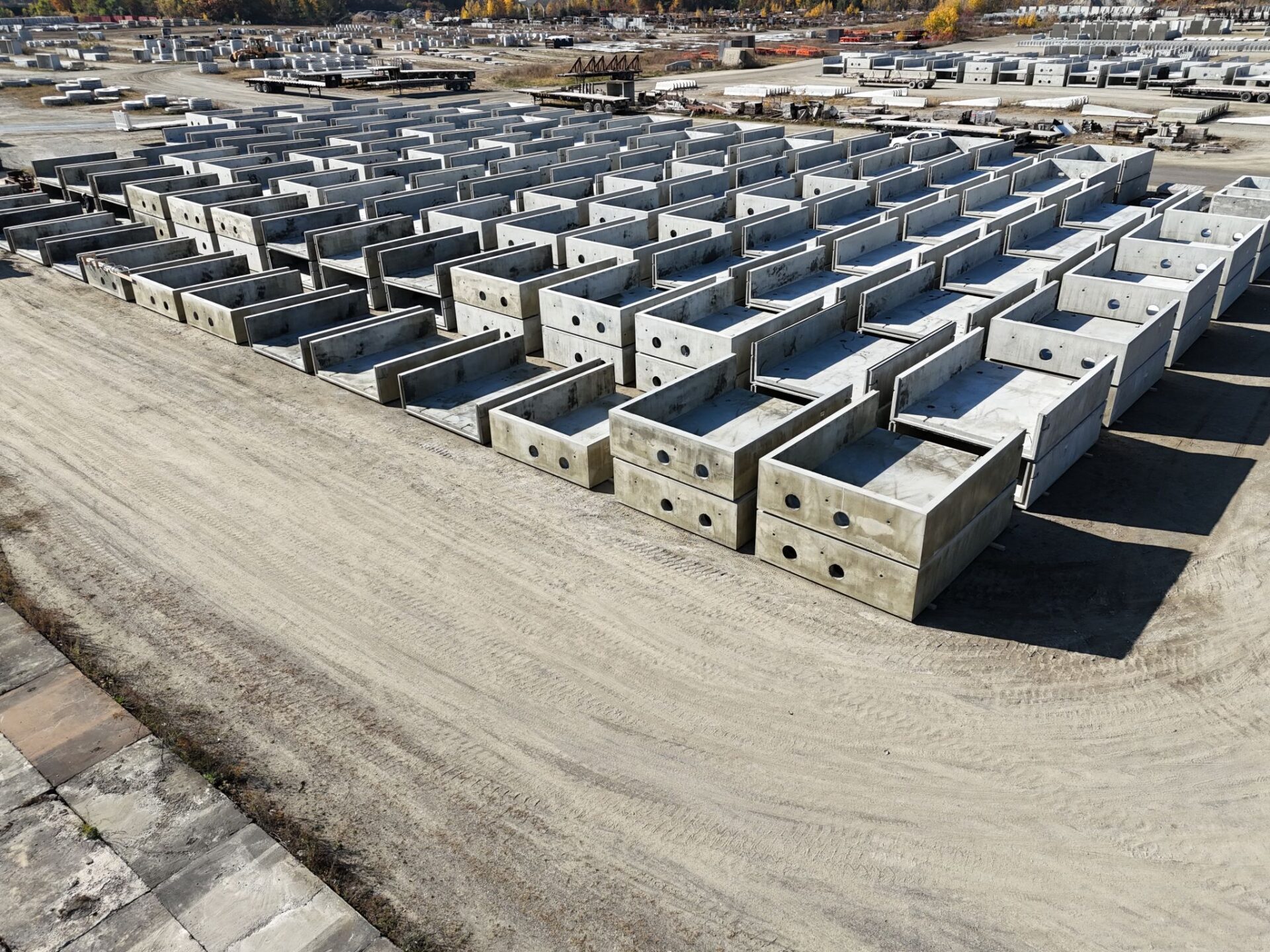
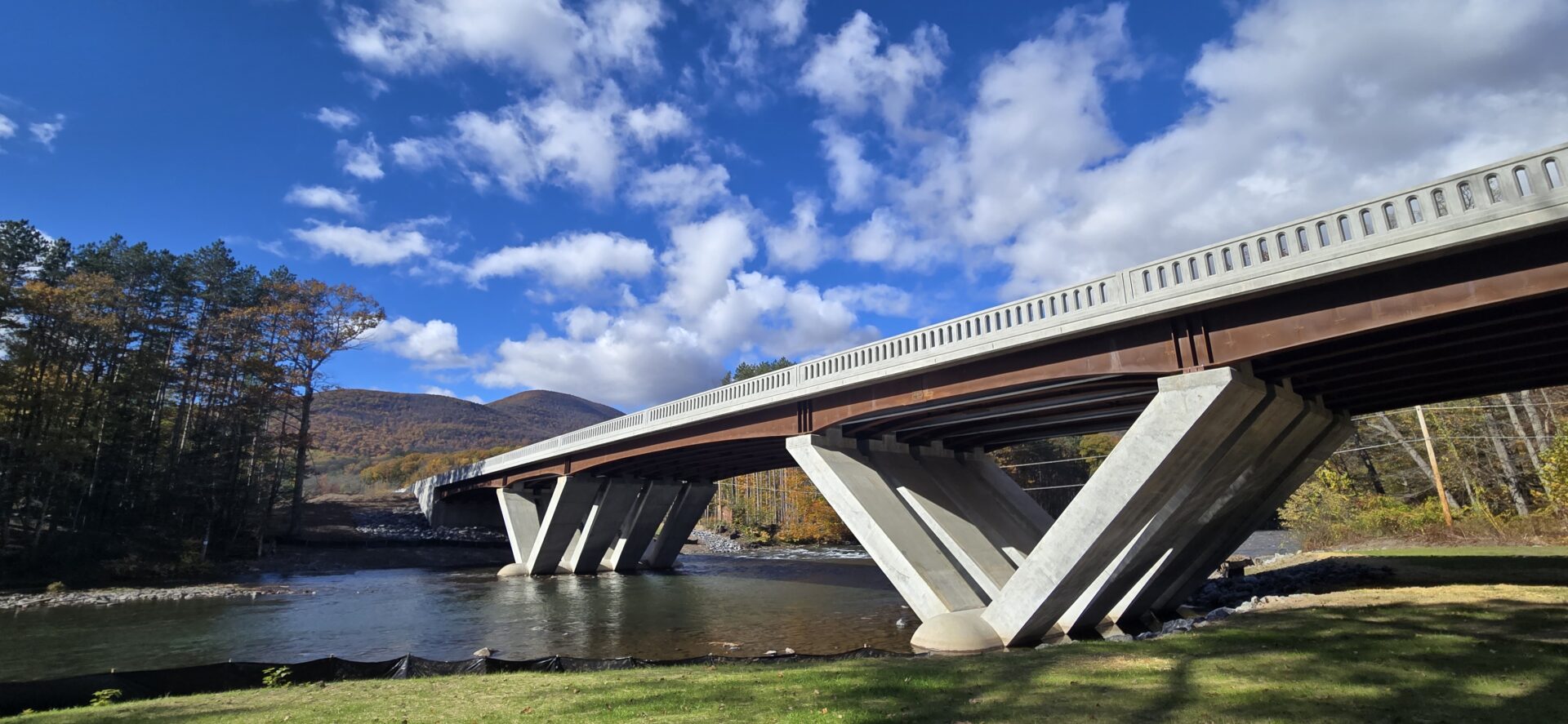
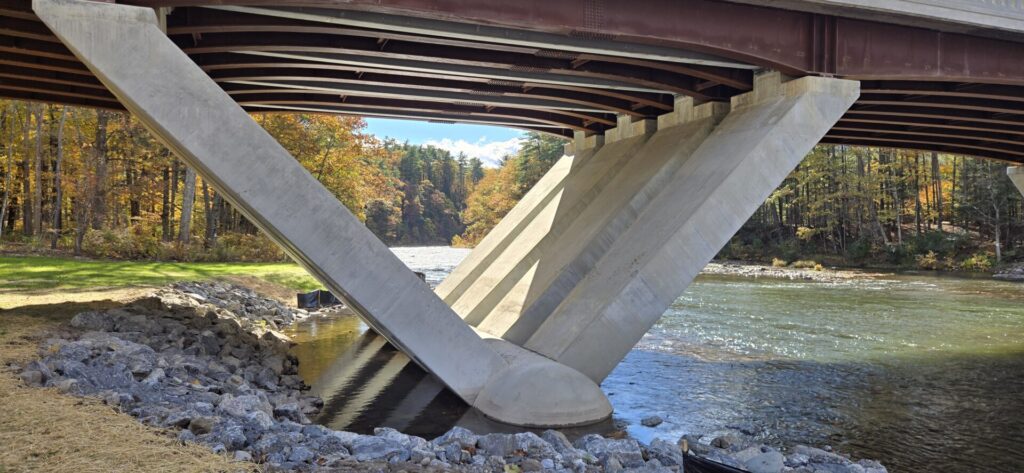
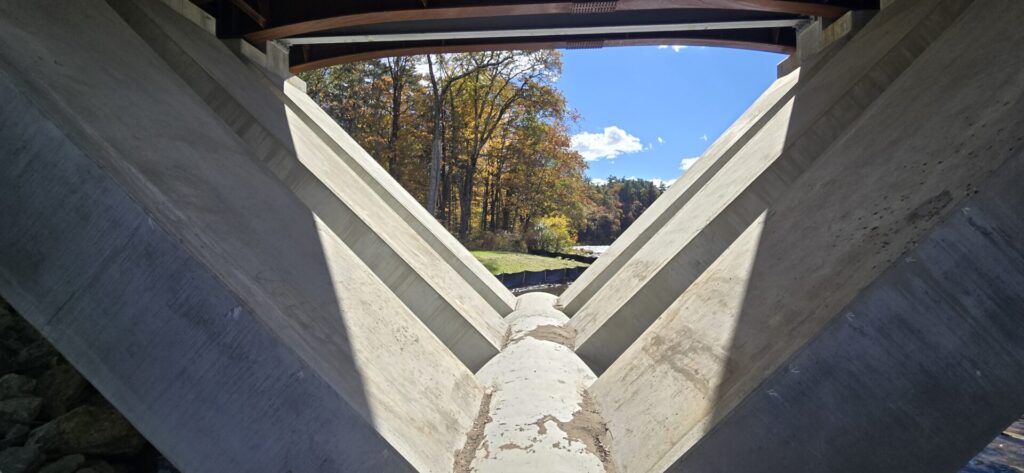
In addition, our upstate facility created custom elements for this project, including a precast concrete bullnose that serves as the support system for the bridge’s steel superstructure. To construct this 384-foot bridge, project engineers used cofferdams to exclude water from the work area, allowing the team to construct the piers’ footings in dry conditions while also protecting the creek’s water quality.
“Precast gave the project team the flexibility to install faster, minimize environmental disturbance, and deliver lasting strength.”
Results: A Stronger, More Resilient Bridge for the Future
Now, the new Boiceville Bridge provides a stronger, safer, and more flood-resilient connection for Ulster County residents. Its sleek design and durable materials ensure longevity, while its precast foundation exemplifies the efficiency and quality of Fort Miller’s engineering expertise.
During the course of this project, the Boiceville Bridge team also made several other infrastructure upgrades. These included establishing a new trailhead and parking lot for the Ashokan Rail Trail and upgrading a second, smaller bridge over the rail trail. The team also reconfigured the Route 28 and Route 28A intersection and upgraded the roads leading to the new bridge. All in all, these improvements now allow residents and visitors alike easier access to the beauty of the Catskills and popular recreational spots along Esopus Creek.
Projects like the Boiceville Bridge reflect Fort Miller’s ongoing commitment to engineering excellence and local partnerships. By combining innovative precast technology with decades of experience, Fort Miller continues to help communities across the Northeast build infrastructure that stands the test of time.
Trust Fort Miller to Build Infrastructure That Lasts
From rural crossings to major transportation corridors, Fort Miller’s prefabricated concrete bridge units (PBUs) continue to shape stronger, more resilient communities across New York and beyond.
Learn more about Fort Miller’s precast bridge and infrastructure solutions by exploring www.fortmiller.com
Or, read about some of our other precast concrete bridge projects: Tappan Zee Bridge | Walkway Over the Hudson | CR 113 Arch Bridge | Thaddeus Kosciusko Bridge (Twin Bridges)