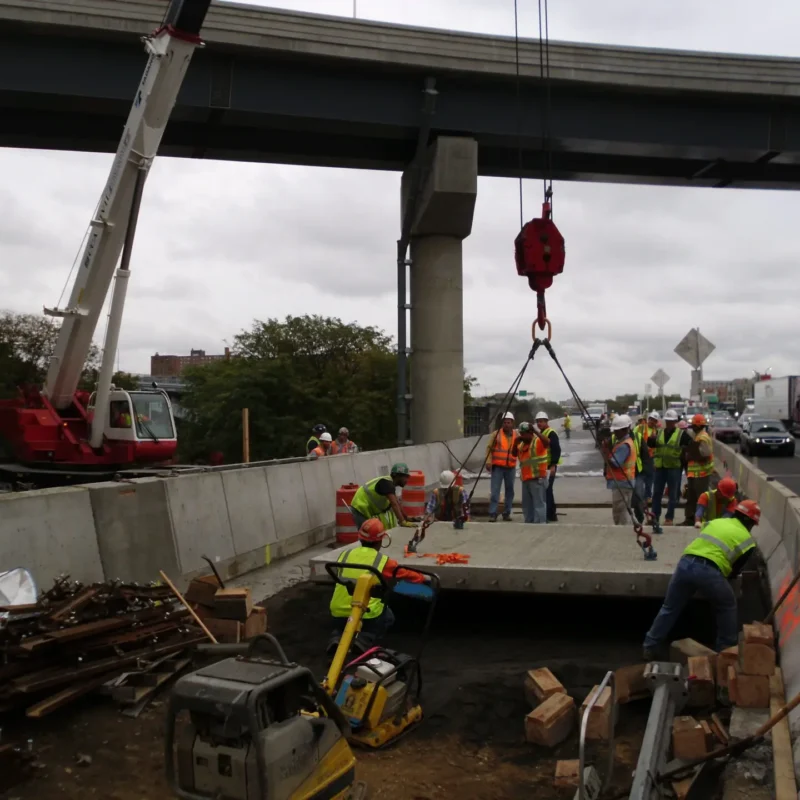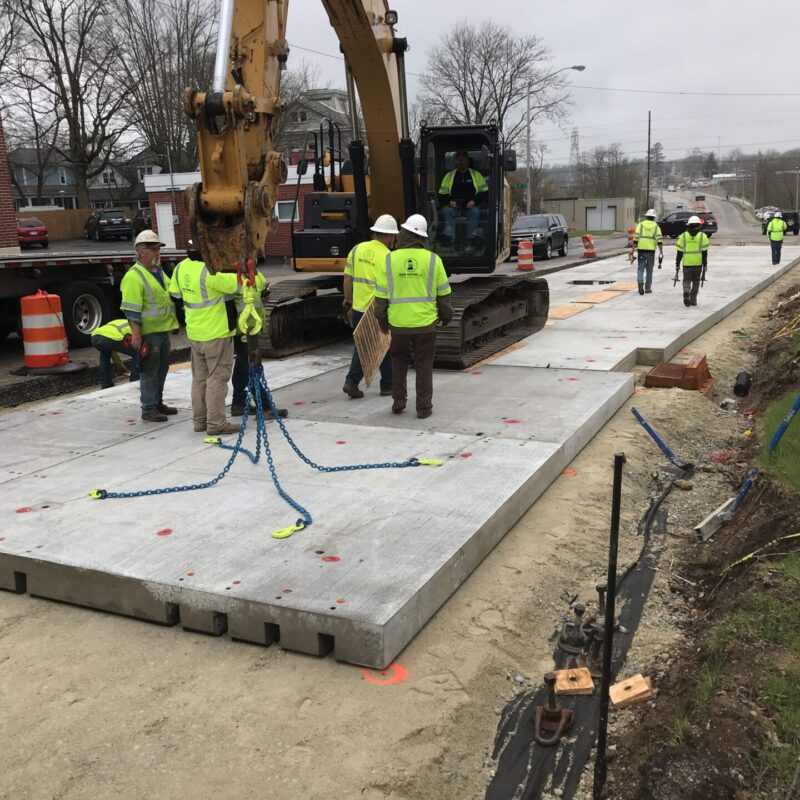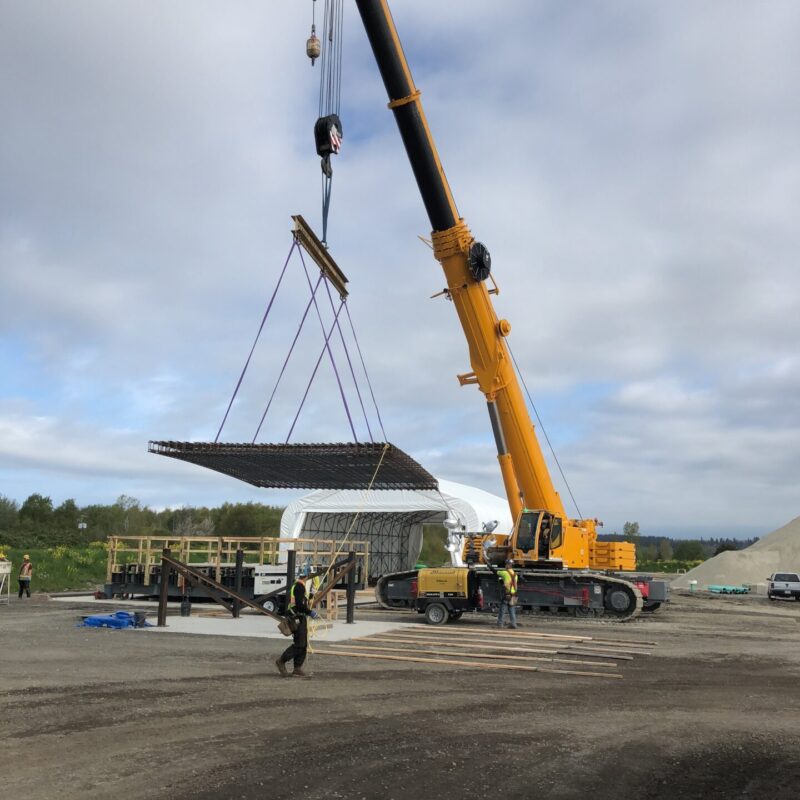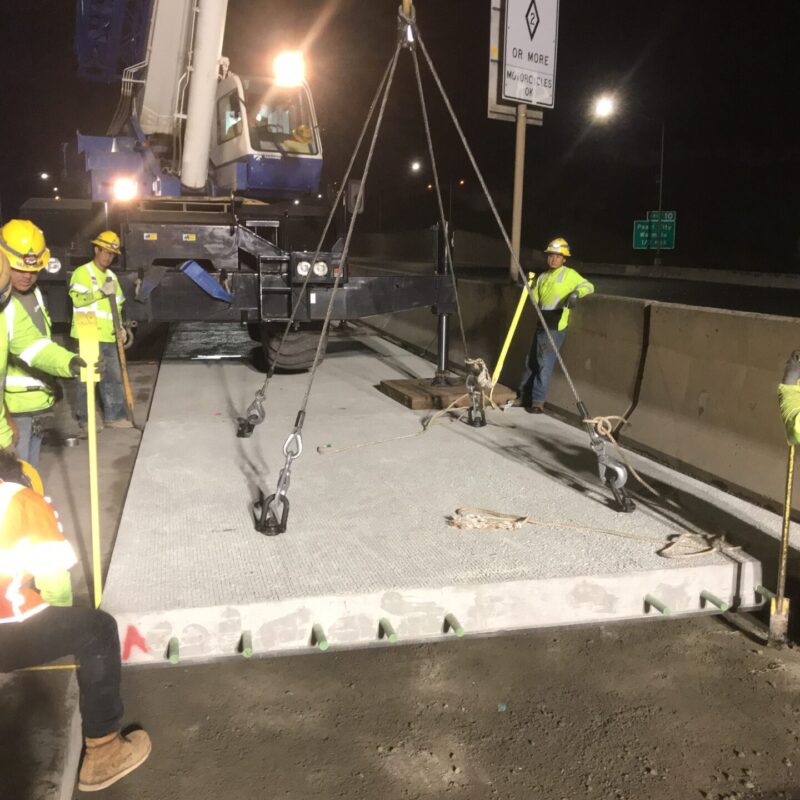

A prime example of how precast slab installation can modernize roadway repairs with speed, efficiency, and long-term reliability.
Project Stakeholders
- Owner: Pennsylvania Department of Transportation (PennDOT)
- Contractor: James J. Anderson Construction
- Precast Supplier: Fort Miller Co.
- Year Completed: 2009
Project Overview
The I-676 Vine Street Expressway is a critical urban highway day through downtown Philadelphia. Due to decades of wear, large sections of its concrete pavement had deteriorated, requiring a durable and efficient repair solution.
Key Challenges & Goals:
- Replace ~5,700 square feet of roadway along a depressed, high-traffic expressway.
- Maintain daytime traffic flow and avoid extended lane closures.
- Ensure rapid installation to reduce impact on commuters.
- Improve ride quality and structural longevity using a high-performance solution.
With 135,000+ daily vehicles traveling on this corridor, PennDOT sought an innovative construction method: precast slab installation. This advanced pavement rehabilitation method allows for rapid replacement of deteriorated concrete sections. The I-676 project marked the first-ever use of precast concrete pavement in Pennsylvania, setting a precedent for future infrastructure upgrades in high-traffic urban settings.
Advantages of Precast Slab Installation
Unlike conventional methods that involve pouring concrete on-site and waiting for it to cure, precast slab installation allows for immediate traffic load upon completion. For a high-traffic urban corridor like I-676, this feature was crucial in maintaining mobility and avoiding extended work zones.
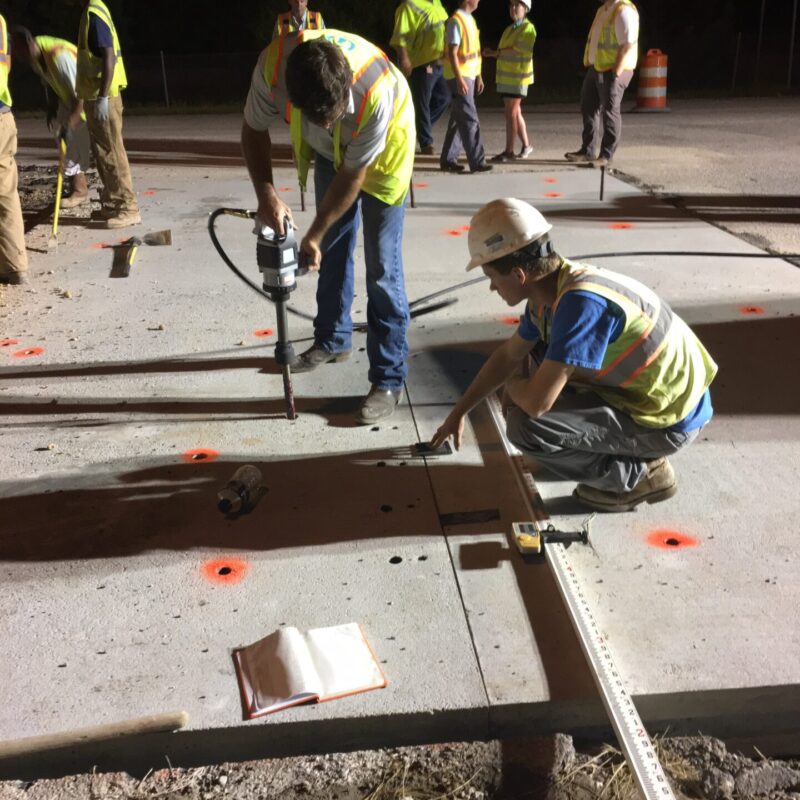
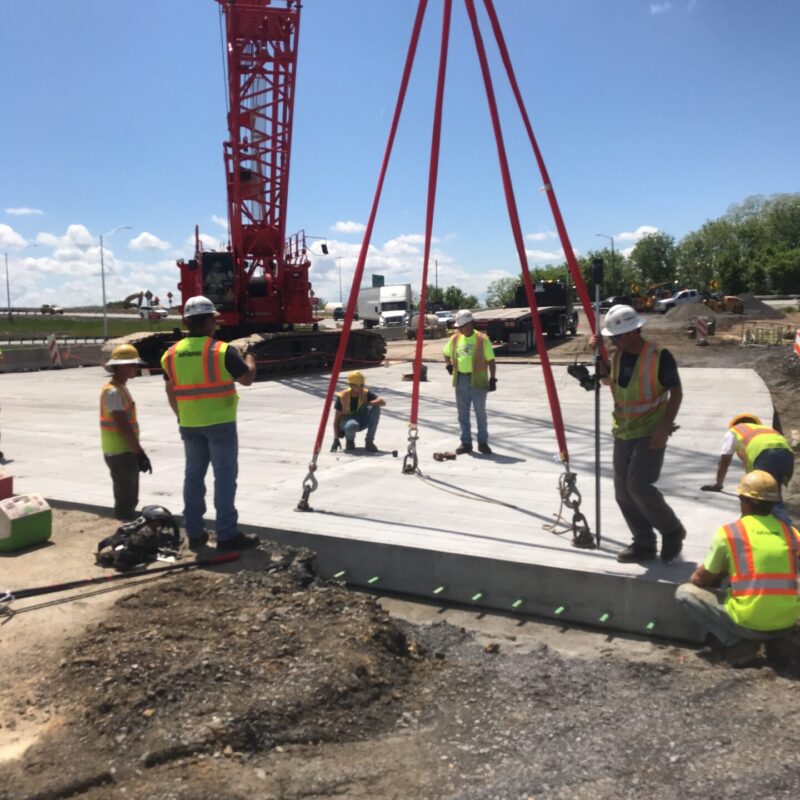
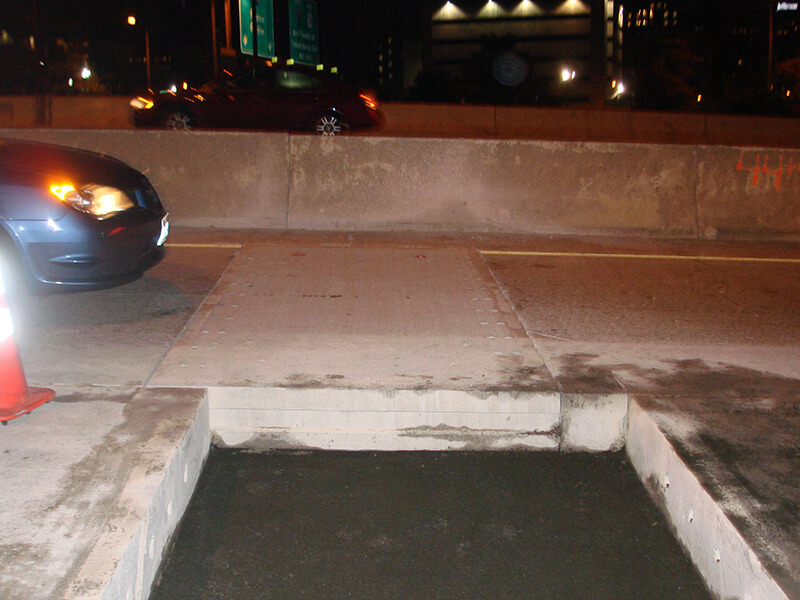
Each night, crews saw-cut and removed deteriorated pavement sections, prepared the subgrade, and installed the precast slabs. The slabs were then grouted and secured to the existing pavement, ensuring a seamless transition between new and existing roadway sections. The construction team was able to replace an average of 12 slabs per night (approx. 12’ Wide X 6’ Long X 10-12” thick)—a remarkable pace given the complexities of working in a confined, below-grade corridor.
By limiting work to overnight hours, PennDOT prevented major traffic disruptions typical of traditional cast-in-place repair, which often requires multiple days of closures due to long curing times. The use of precast pavement also improved quality control, as the slabs were manufactured in a controlled environment, ensuring higher strength, better durability, and more precise fitment.
Overcoming Urban Worksite Challenges
The success of the I-676 project was not without challenges, particularly with the tight work window and site logistics. The Vine Street Expressway is in a trench through downtown, with very restricted work areas and limited space for equipment. This highlighted the need for precise planning and coordination.
Crews had to mobilize machinery and precast panels into the construction area each night and clear out by morning. Slabs were staged in nearby storage areas and crews used carefully coordinated trucking schedules to transport panels to the site just before installation.
Unlike new construction projects where the entire pavement structure is designed as a cohesive system, the I-676 repair required precise matching of slab thickness, elevation, and load transfer capabilities with the surrounding roadway. The pre-engineered features of the precast slabs, including built-in dowel bars and leveling features, played a critical role in achieving the required performance standards.
Additionally, because this was the first precast slab installation project undertaken by PennDOT, there was no established specification for this type of pavement repair at the time. The agency worked closely with Fort Miller Co. and the construction team to develop custom specifications and installation procedures, drawing on best practices from similar projects in New York and New Jersey. This collaborative effort helped ensure the success of the project while laying the groundwork for future precast pavement applications in Pennsylvania.
Conclusion
The Vine Street Expressway precast pavement repair project was completed successfully in late 2009, and all lanes were fully reopened on schedule. This project is often highlighted as a successful pilot that opened the door for broader use of precast pavement in Pennsylvania.
The I-676 Vine Street Expressway Precast Slab Installation Project was a pivotal moment in Pennsylvania’s infrastructure development, showcasing the efficiency and long-term benefits of precast concrete solutions. By significantly reducing construction time, minimizing traffic disruption, and delivering a high-performance roadway, this project demonstrated how modern precast slab installation techniques can revolutionize highway repair strategies.
Super-Slab® Resources & Downloads
Fort Miller provides the engineering, specialized forming and grading equipment and on-site installation training required to make this happen in your state. Learn more about Super-Slab® and precast pavement solutions.
Featured Super-Slab® Projects
Super-Slab® represents the forefront of precast concrete pavement technology. This advanced system offers a range of benefits, making it the choice for government agencies and contractors (GC and DOTs) across various regions.